
Orchid

Orchid Plant Care Tips
Orchids are beautiful and exotic plants that can add a touch of elegance to any home or garden. Their stunning blooms and unique growth habits have resulted in orchids becoming a popular choice for plant enthusiasts.
Whether you are looking for tips on orchid care for beginners or looking for help with how to care for orchids indoors, this guide aims to give share our top tips to help you to make caring for orchids simple.
Looking for a starting set of products to take care of your orchids care needs? Check out our ready to go small orchid care bundle, it contains everything you need to get started with your orchid plant care or mini orchid care.

Have a more established orchid collection? Then our larger orchid care kit, has everything you need.
Orchid Plants - The Benefits
With there stunning blooms and flowers, orchids are a great way to add an exotic touch to any indoor space including homes, offices or workspaces.
Aside from making a statement in your indoor space, they have a number of benefits too:
- Air Purifying: An orchid plant is a great way to purify the air in your indoor space.
- Set the mood of your space: Orchid plants are quick way to add a pop of colour to your home.
- A Stunning Variety of Flower Colours: With a range of different flower colour combinations, you can add an attractive and elegant vibe to any indoor space.

Orchids - How to Take Care of Them
Are orchids easy to care for?
These are common questions that we get asked by customers who are looking to find out further information about how to care for orchids indoors.
Whilst orchids do have a specific set of care requirements, looking after an orchid plant should be fairly straightforward and a rewarding plant to look after.
How to care for an orchid plant?
Below we will set out some of the most common tips that you will need to help make caring for an orchid plant simple.
Orchid Light Requirements
Do orchids need bright light?
Yes! Orchids are happiest in bright light, but it must be indirect light. What does that mean? Not in directly in the sun. A spot near a window where your orchid plant can receive filtered sunlight is ideal.
Do orchids need direct light?
It is best not to place your orchid in direct sunlight as this can cause the leaves to burn and your plant not to appear at its best.
How much light does an orchid need?
Most orchids will need around 6-8 hours of indirect sunlight per day. The amount of light your plant needs can vary depending on the orchid type and the time of year. You should adapt your orchid care in winter, when days are generally shorter and the sunlight is weaker. Simply move your orchid closer to a window to ensure it gets enough indirect light over the shorter winter months.
How to water Orchids?
How do you water an orchid plant?
This is a common question from orchid owners! It is also one of the most important things an orchid owner needs to get right!
We recommend watering your orchid plant from the top to ensure any excess water can drain away completely. This will help to avoid root rot caused by overwatering.
To get your watering routine just right, here are a few helpful questions that will guide you on the right path.
How often to water orchids?
When your orchid potting mix is dry, this is the best time to rewater. As a rule of a thumb, you may need to water your orchid every 7 days, but this will depend on the time of year and temperature, so it always best to be guided by whether the potting mix feels dry.
We also recommend watering your orchids in the morning to allow the leaves and roots time to dry as the day gets warmer. This should help with root rot problems too.
How much water does an orchid plant need?
Orchids prefer a small amount of water at a time. A small watering jug is ideal for watering your orchids as it allows you to give your plants a small amount of water at a time.
Orchid Temperature Requirements
What is the best temperature for orchids in Celsius?
The ideal temperature for orchids is between 15°C to 27°C. In Fahrenheit, that’s 60°F and 80°F.
Orchid Humidity
Do orchids like humidity?
In short yes! Humidity is an essential part of helping your orchids to grow.
Do orchids need humidity?
As they come from tropical environments, having high humidity levels is important. Luckily, in the UK humidity is often quite high - keeping your plant away from dry heat sources like electric heaters and radiators will help keep humidity levels high.
Do orchids like humid bathrooms?
Yes. A humid bathroom location is a good spot for your orchids. They are best placed on a windowsill within your bathroom so that can receive an adequate amount of light.
Other good spots around your home could include a kitchen as they tend to be naturally humid too.
If your kitchen or bathroom is not a suitable location or you want to further increase the humidity levels of your orchid plant, then we have a few simple and quick tips to achieve this.
Orchid Myst Spray is an effective way to quickly increase humidity for your orchid plants. You can also check out our full collection of Orchid Myst products here too.
Another way to increase humidity levels, is to place your orchid plant on a saucer or tray filled with water and clay pebbles.
Boosting humidity levels is especially important in the winter months, as heat generated by central heating for example, tends to create a drier environment.
Orchid Food and Orchid Feed
To help your orchid plants to thrive, we would recommend the use of specialist orchid fertilizer products. The use of orchid fertilizing products is particularly important during the growing season and there are a number of products that are specifically formulated to support your orchid plant goals.
If you are looking to promote the growth of healthy shoots and leaves, then Orchid Focus Grow contains all the essential nutrients that your orchid requires.
If you are looking to help your plant product long lasting flowers, we recommend Orchid Focus Bloom, which is specifically formulated to support long lasting orchid blooms for stunning flower displays.
Browse out or full range of food for orchid plants products to find the right one for your needs.
Orchid Soil
Best soil for orchids?
The best type of soil for an orchid plant is one that drains well and allows air to circulate around the roots. Bark is a common orchid potting medium because it offers both, good drainage and aeration to your plants roots.
Discover a selection of some of the best orchid potting soil here at Small Indoor Plants. They are all designed to help your orchid plants to thrive.
Repotting Orchids
When to repot orchids?
Generally speaking, you should repot your orchid every one to two years. If you see that the potting medium has broken down or the roots have overgrown the pot, this is a good sign to repot.
How to repot an orchid plant?
When it is time to repot an orchid, it is quite a fuss free task. Start by removing the orchid and potting mix from its current pot. Select a larger pot to rehome your orchid in, add fresh potting medium to the pot and then re-add your orchid. Don’t forget to water too!
What soil to use for repotting orchids?
An orchid repotting mix such as Orchid Focus repotting mix will help to maintain the best growing conditions for your orchid.
Pruning Orchids
How do you prune an orchid plant?
Pruning an orchid plant is important when the flowers have fallen off. This will help support further flowering. Also, ensure you trim any stems that are yellow and brown down to the level of the soil. This should encourage new healthy stems to grow.
To keep your plant healthy and disease free, it is recommended to use clean and sharp pruning snips.
Orchid Diseases
There are a number of common orchid pests and diseases that you may come across when caring for your orchid plants. This might sound offputting, but it needn't be as there are a number of products to make overcoming these easy.
Common pests include scale insects, whiteflies and mealybugs. If you have these bugs on your orchid plants, you may notice a stickiness on the leaves or black sooty mould. These pests can be found on the leaf surfaces and flower stalks too.
How to get rid of pests on orchids?
Wiping your orchid plant with a wet cloth is a good starting point to removing any pests. You can use a product such as Plant Invigorator and Bug Killer. It is easy to use and targets a range of orchid pests and diseases.
Sticky Traps are a great way to catch pests too, these whitefly sticky traps are perfect for catching whiteflies and other pests on your orchid plants.
Why not take a look at our full range of pest control products too?

Final thoughts on Orchid Plants
Orchids have to be one of the most stunning flower displays you can create in your indoor space. With pretty flowers and a huge range of flower styles, petals, colouration and sizes, it is easy to see why we are a nation of orchid lovers in the UK!
Adding orchids to your indoor space has become a popular choice and it is easy to keep a great collection yourself. We hope our orchid care guide has inspired your with the tips and guidance you need to create your very own collection of orchid plants.

Orchid Plant Food
-
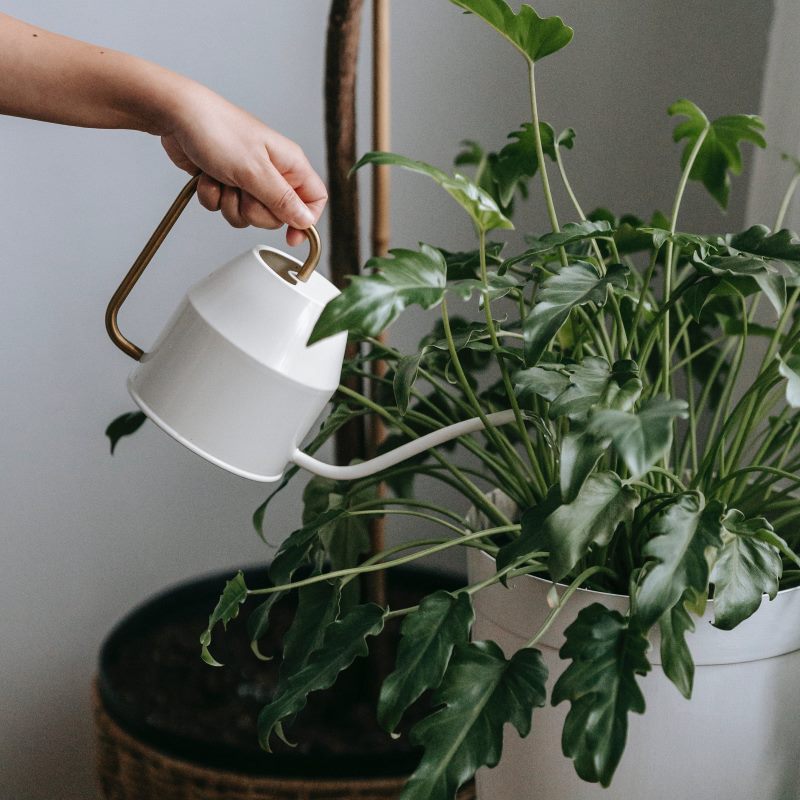
Indoor Plant Food
Buy Indoor Plant Food -

Plant Drip Feeder
Buy Plant Drip Feeders

Orchid Support Sticks & Clips
-
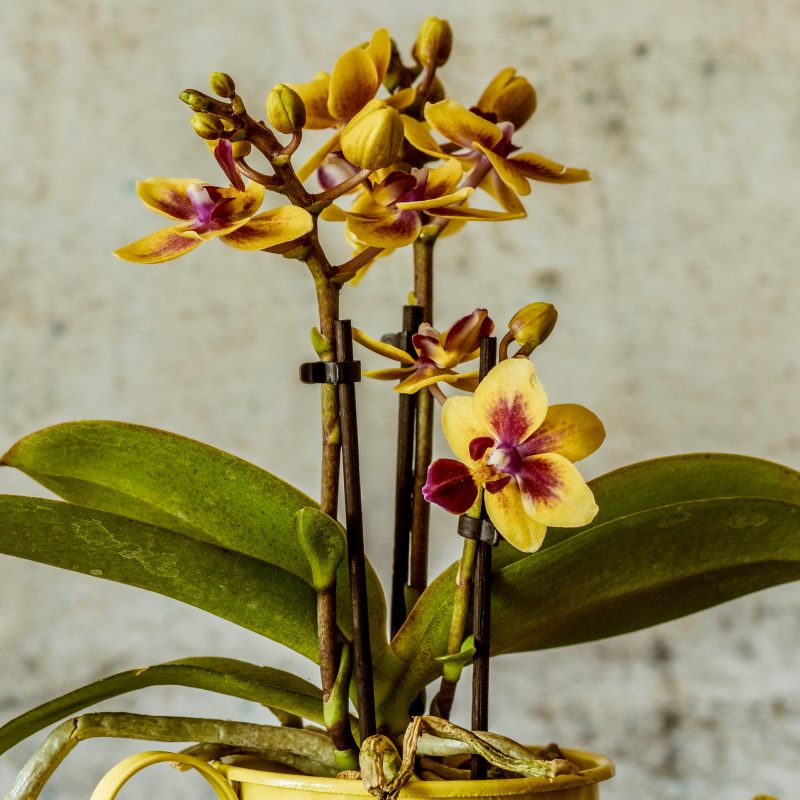
Plant Clips
Shop Plant Clips -
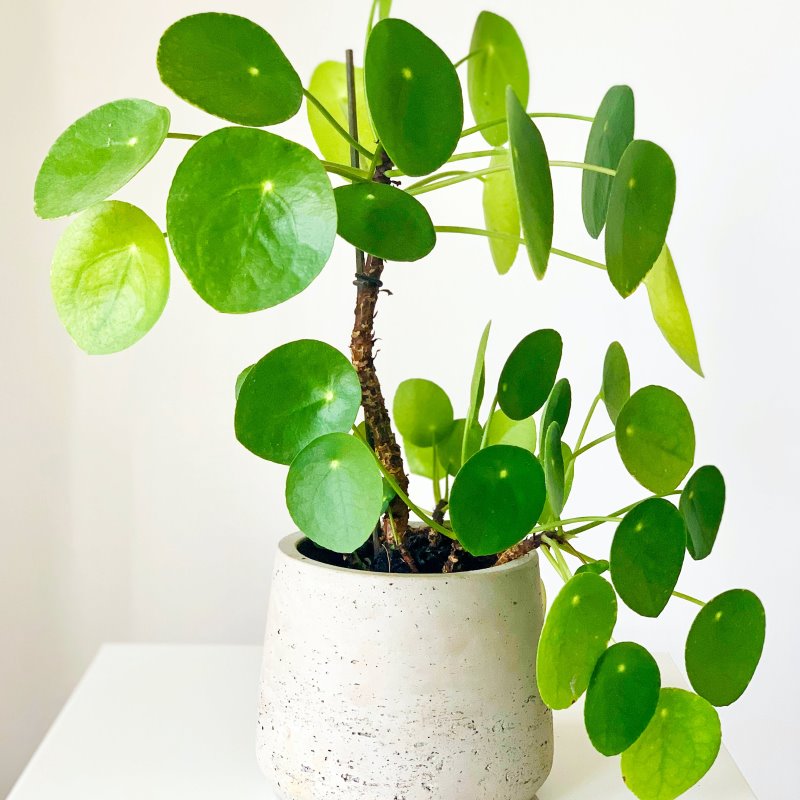
Plant Support Sticks
Shop Plant Supports -
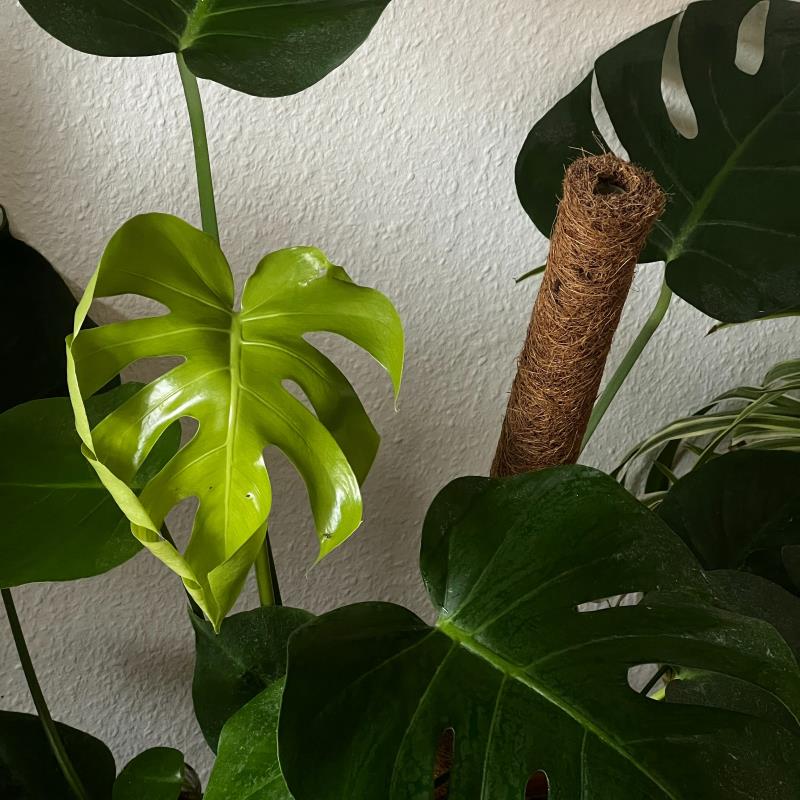
Moss Pole
Shop Moss Poles
Orchid Soil & Compost
-
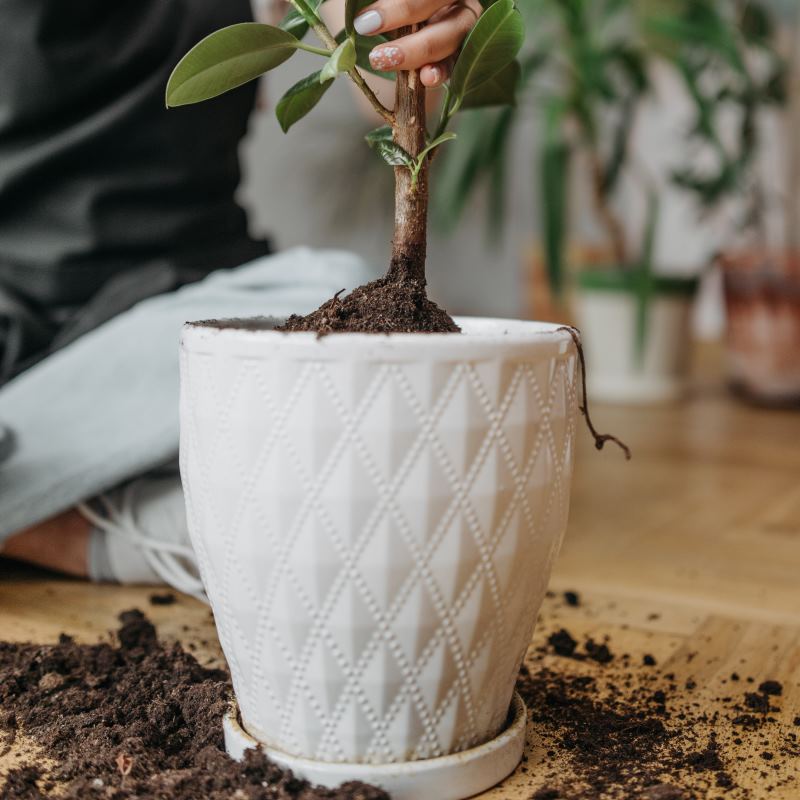
House Plant Compost
Shop House Plant Soil -
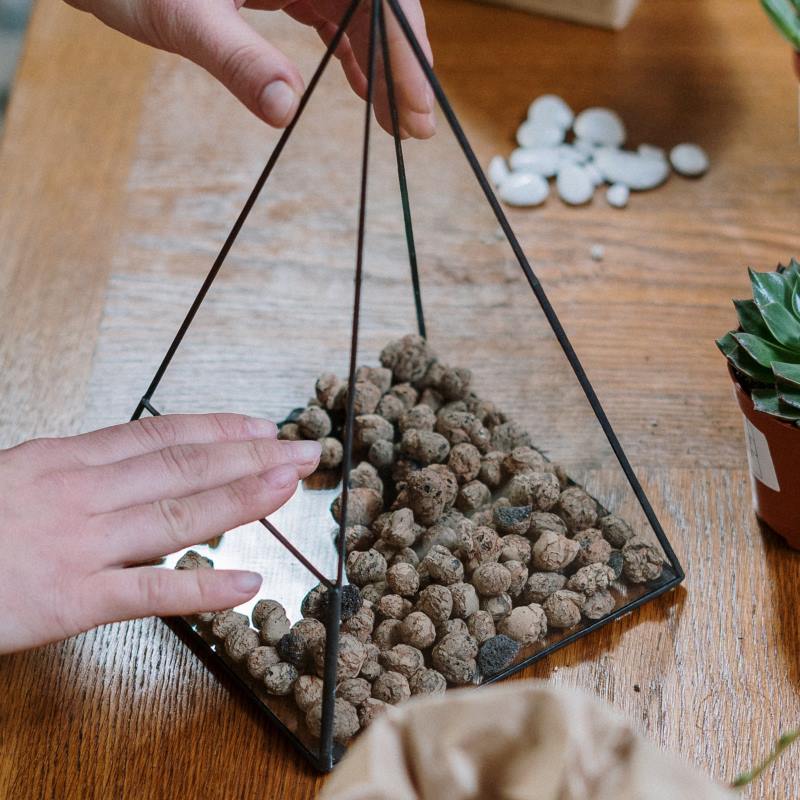
Clay Pebbles for Plants
Buy Clay Pebbles -
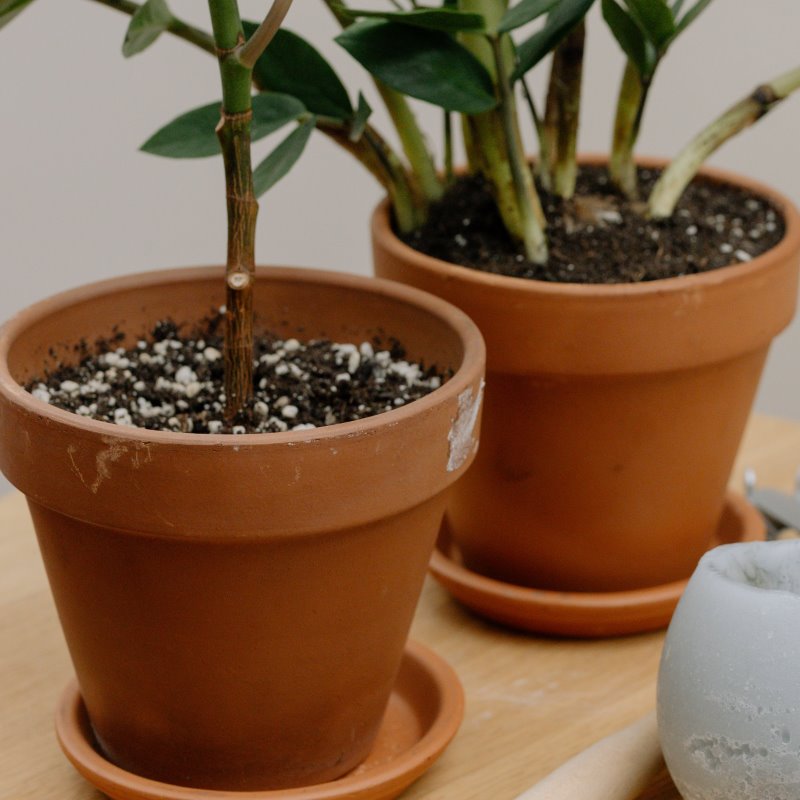
Perlite for Plants
Buy Perlite
Orchid Houseplant Repotting & Accessories
-
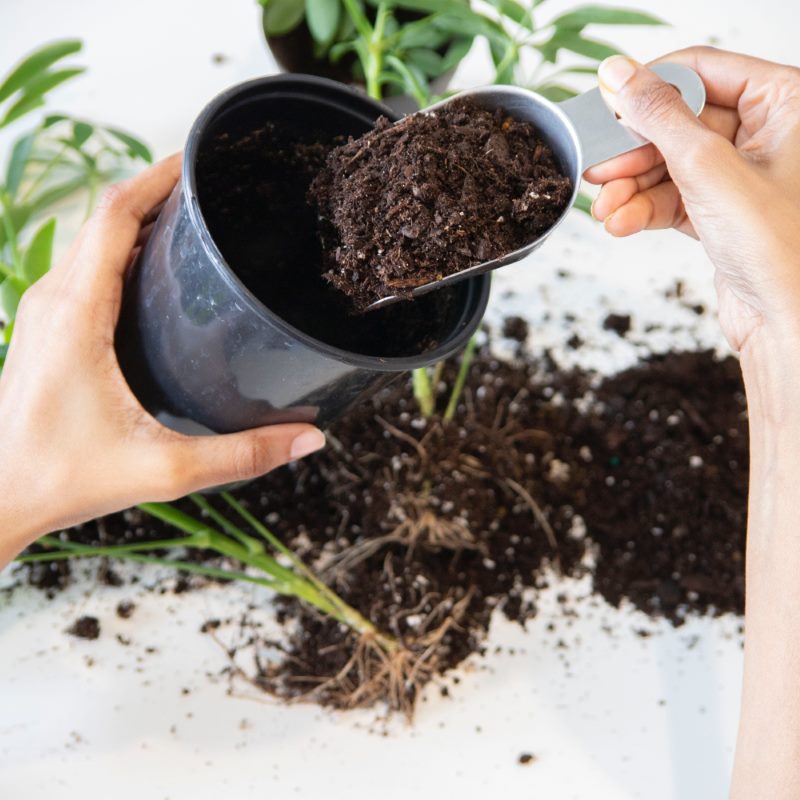
Repotting Soil
Buy Repotting Soil -
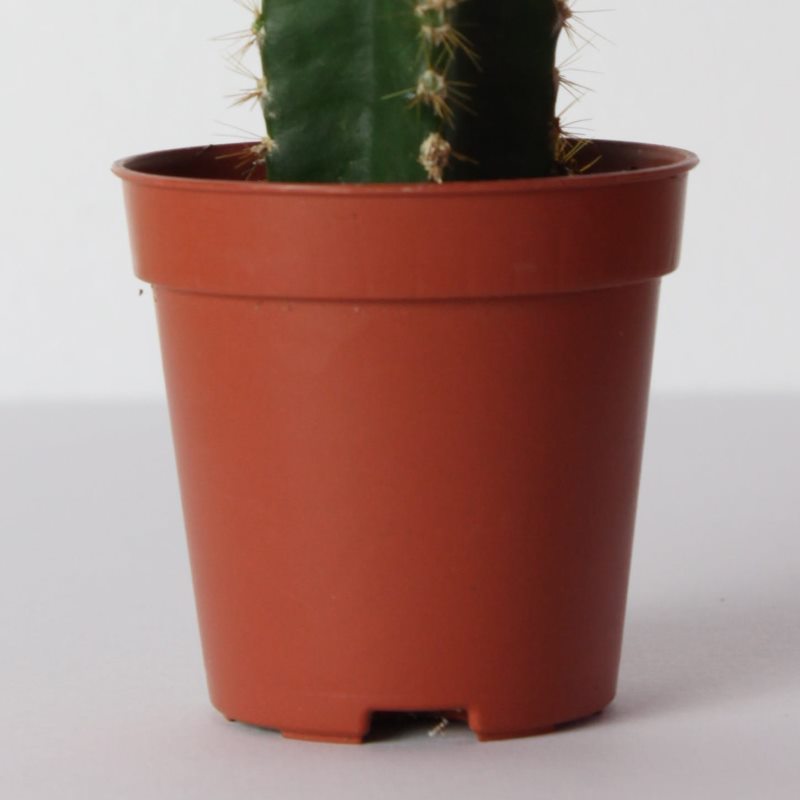
Plastic Plant Pots
Buy Plastic Pots -
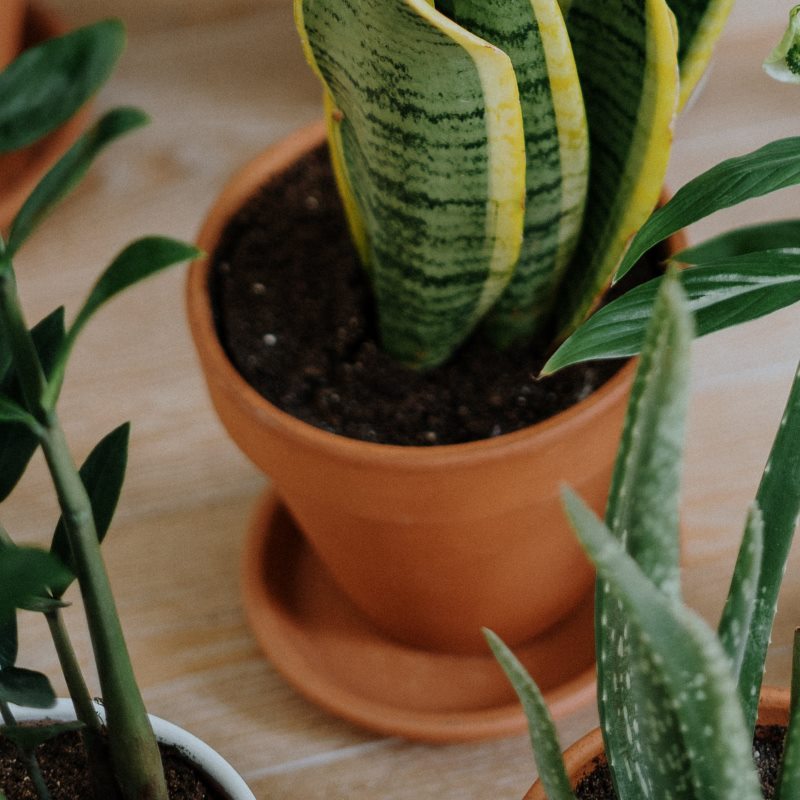
Plant Pot Saucers
Buy Pot Saucers -
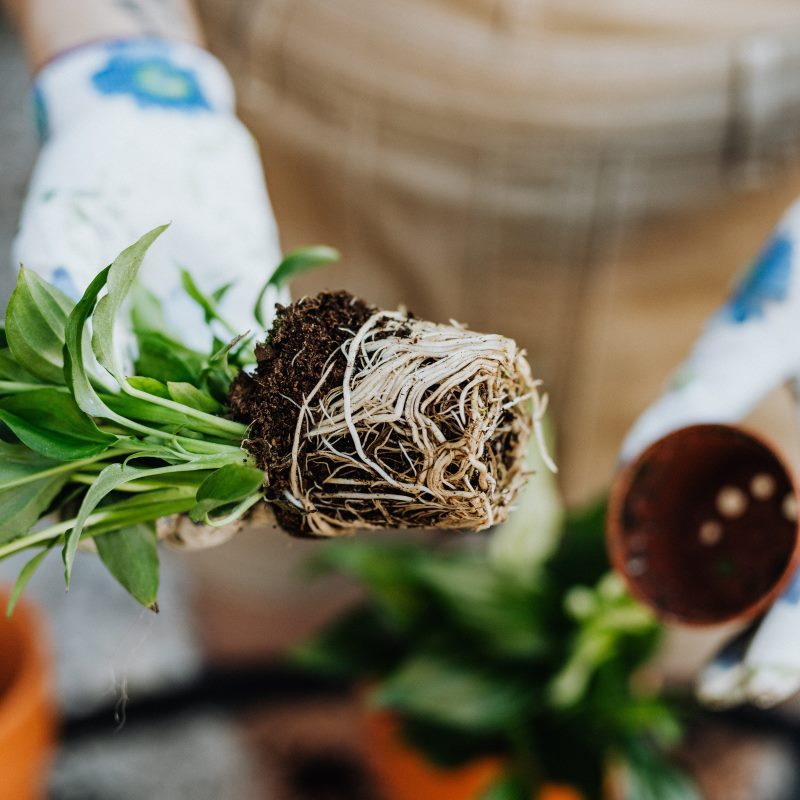
Root Growth Stimulator
Shop Root Stimulator
